 So here we are, on the final day of classes. Exam week looms, then a break until commencement. I’ll attend with some cherished faculty Colleagues who are about to retire. My own retirement comes at the end of the Fall term, so this Commencement ceremony will be doubly bittersweet.
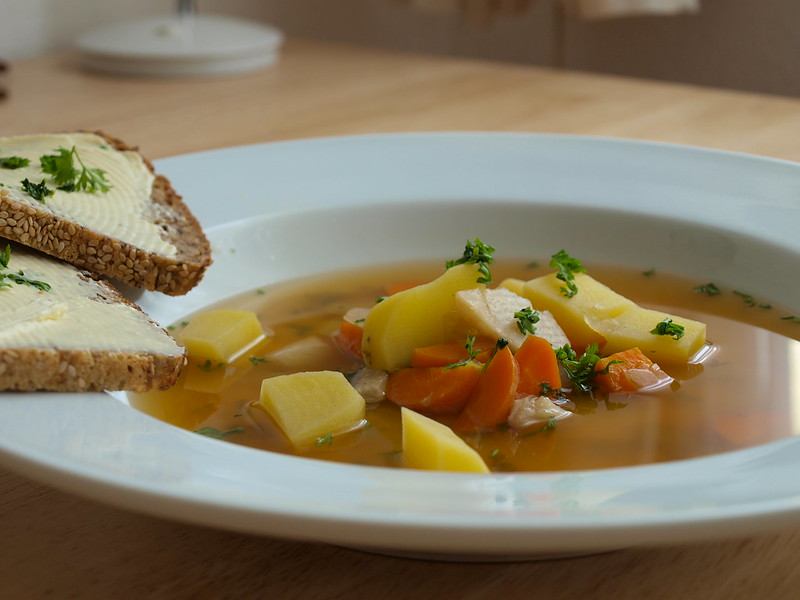
What a fine and timely word. Yet when was it first coined? The etymology needs no explication, though the usage has gone from a 14th Century origin meaning a food or drink that is both bitter and sweet to adjectives literal and metaphorical.
In the realm of nouns, one can still find a variety of apple called a Bittersweet. Indeed, the noun for “a bitter sweet” has usage stretching back nearly as far, and the OED’s entry shows it, too, as obsolete. Modern usage of the adjective, beyond a literal sense close to the 14th Century’s, implies “something, such as an experience or emotion, that is both pleasant and tinged with pain or sadness.”
We all have these experiences that stay in memory; I will never forget my final day in Paris, after a year abroad teaching in Spain. The following day I’d begin my trek back to the States and graduate school in the Fall of 1986. That path led, 38 years later, to the desk here in the Humanities building where I’m typing this entry. Suffice to say that I didn’t want to leave Paris and, in fact, would have preferred going back to Madrid for another year of teaching. Sometimes I still wish that door had not closed.
Returning to Spain then was not possible, which made the moment poignant, unforgettable. Had the option existed, I probably would not sharply recall every moment of that last day in the French capital.
So, graduates, some advice: talk a slow, bittersweet walk around campus, ear-buds out, phone tucked away. Just look at all the places where you built memories in four years. The next 34 years will fly by.
This blog will continue in the summer months, so send words and metaphors of interest by e-mail (jessid -at- richmond -dot- edu) or by leaving a comment below.
See all of our Metaphors of the Month here and Words of the Week here.
Image source: Nathan Gibbs at Flickr.