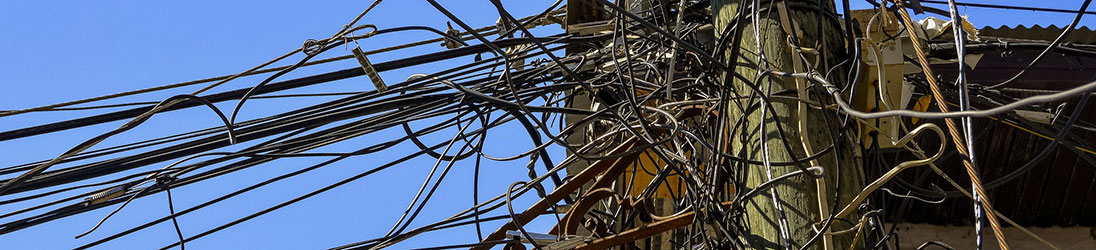
Assemblages are probably the most multifaceted of the keywords that we have covered so far in this class. The term is originally defined as, “the arrangement and organization of a variety of heterogenous elements.” Most media we consume are assemblages of some kind. For example, a TV show requires the use of actors, a selection of music, on screen CGI effects, and a team of writers and producers. each of these elements plays a part in the final assemblage that we see on our TVs. Many times, an assemblage can contain multiple assemblages within it. (a movie containing a curated playlist). Live broadcasted events are an assemblage that I think require a mind boggling amount of elements. For example, a live sports event requires athletes, coaches, officials, stadium staff, cameramen, broadcasting personnel, music, and so much more that can’t even be listed. If just one of these elements is not present, the on screen product will be much different, as each plays a critical role in the assemblage. Thinking about things as assemblages gives me a greater appreciation for the amount of work media takes. People tend not to think about those behind the scenes, but their efforts are extremely important.
2 thoughts on “Assemblage – JT Windle”
Leave a Reply
You must be logged in to post a comment.
I agree, I feel like my own understanding of what an assemblage is helps me better appreciate the production of media. As you said, there are assemblages in assemblages, such that, in live broadcasting of, let’s say a sport like soccer, the media itself is an assemblage, but then the teams broadcasted are also assemblages in relation to eachother and their sport or their appearance on live television. I do think that the term “assemblage” can show to be a bit ambiguous when translated over and over again through different assemblages, since agency and assemblage are different in everything (and exist/coexist in everything as well.)
I agree that people usually don’t think about those efforts behind the scenes, which are really important and I like your example of a TV show. People generally only notice the finished product as presented by the media, like photos on ins or videos on YouTube. Without these classes, I will never think about media in this way. The assemblage provides a new way for us to understand these media. Different elements including human ideas to technology give us a lens through which to think about things behind the scenes. It is interesting to unpack the assemblage into small factors. It shows that many works on media are the result of the joint efforts of many people.